
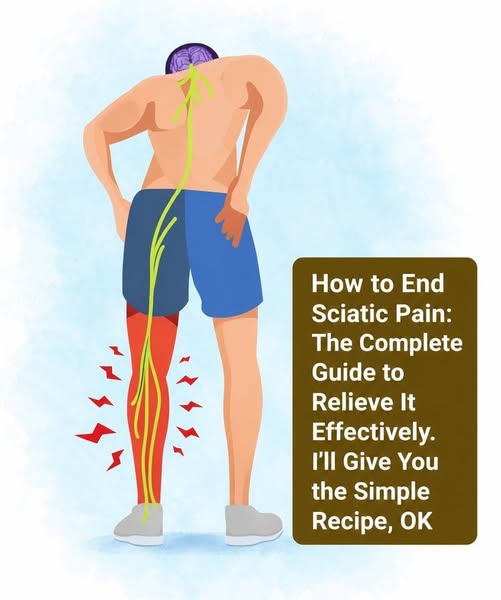
Sciatic pain can be frustrating, uncomfortable, and sometimes intense enough to interfere with walking, sleeping, working, or simply sitting down. The pain may travel from the lower back or buttock down the back of the leg and may be accompanied by tingling, numbness, or weakness.
The good news is that most cases of sciatica improve with time and appropriate self-care, although recovery can take several weeks or longer.
There is no single treatment that works for everyone because sciatica can have different causes. The most useful approach is usually a combination of staying active, gradually rebuilding movement, managing pain, and getting medical advice when symptoms require it.
What Is Sciatica?
Sciatica is the name commonly used for pain caused by irritation or compression of the sciatic nerve or one of the nerve roots that contribute to it.
The sciatic nerve travels from the lower back through the buttocks and down the leg. When the nerve is irritated, symptoms can follow its pathway.
Common symptoms include:
- Sharp or burning pain
- Pain traveling down one leg
- Tingling or pins and needles
- Numbness
- Weakness in the leg or foot
- Pain that becomes worse with certain movements
- Symptoms aggravated by coughing or sneezing
Sciatica usually affects one side of the body.
What Causes Sciatic Pain?
One of the most common causes is a herniated or slipped disc. The disc can irritate or compress a nearby nerve root.
Other possible causes include:
- Narrowing of the spinal canal, known as spinal stenosis
- A vertebra slipping out of position
- Certain back injuries
- Bone changes that put pressure on a nerve
The exact cause matters because treatment may differ from one person to another.
Step 1: Keep Moving
One of the biggest mistakes people make during a bout of sciatica is staying completely still.
When pain is severe, short periods of rest may feel necessary. However, prolonged inactivity can make recovery more difficult. Current NHS guidance recommends continuing normal activities as much as possible and avoiding long periods of sitting or lying down.
You don’t need to exercise intensely.
Start with gentle movement that you can tolerate.
For example:
- Take short walks.
- Change position regularly.
- Avoid sitting for hours without getting up.
- Perform gentle mobility exercises.
- Gradually return to normal daily activities.
The goal isn’t to push through severe pain. The goal is to prevent your body from becoming increasingly stiff and inactive.
Step 2: Try Gentle Exercise
Exercise is an important part of recovering from sciatica.
There isn’t one universally perfect exercise for everyone. Your symptoms, underlying cause, fitness level, and movement tolerance all matter.
Gentle exercises may include:
Walking
Walking is one of the simplest ways to remain active.
Start with a comfortable distance—even a few minutes—and gradually increase your walking time as your symptoms allow.
Gentle Mobility Exercises
Controlled movements of the lower back and hips can help you maintain mobility.
Avoid aggressive stretching, bouncing, or forcing your body into painful positions.
The NHS recommends gentle exercise for people with sciatica and advises stopping exercises if they cause pain or make you feel unwell.
Core and Strengthening Exercises
Once acute symptoms settle, a physical therapist can help develop a program that improves strength, posture, mobility, and movement control.
This can be particularly useful if sciatica keeps returning.
Step 3: Use Heat or Cold for Comfort
Heat and cold packs may provide temporary relief.
Some people prefer a cold pack during an acute flare, while others find warmth more comfortable.
If using a cold pack, wrap it in a towel rather than placing ice directly against your skin.
Mayo Clinic notes that cold packs can be used for short periods and that heat may also provide relief, particularly after the initial phase of pain.
The important point is that these treatments are primarily for symptom relief. They don’t necessarily correct the underlying cause of the nerve irritation.
Step 4: Improve Your Sitting Habits
Long periods of sitting can aggravate symptoms for some people.
If you work at a desk, try to:
- Keep your feet supported.
- Avoid prolonged slouching.
- Change position regularly.
- Stand and walk around periodically.
- Adjust your chair so you are comfortable.
- Avoid spending hours in one position.
You don’t have to maintain one rigid “perfect posture” all day. Regular movement and changing positions are often more practical.
Step 5: Be Careful With Pain Medication
Pain medication can sometimes make it easier to remain active while recovering.
However, not every medication is appropriate for every person.
Nonsteroidal anti-inflammatory drugs (NSAIDs), such as ibuprofen or naproxen, are sometimes used for sciatica, but their benefits can vary and they aren’t suitable for everyone.
Before taking an anti-inflammatory medication, ask a pharmacist or healthcare professional if it is appropriate for you, particularly if you have other medical conditions or take other medicines.
Don’t assume that stronger medication is automatically better.
Step 6: Don’t Ignore Sleep
Pain can make sleeping difficult, and poor sleep can make coping with pain harder.
Try to find a sleeping position that keeps you comfortable rather than forcing yourself into a particular posture.
Some people find side sleeping more comfortable with a pillow between their knees, while others prefer lying on their back with support under their knees.
The best position is generally the one that reduces your symptoms and allows you to sleep.
Step 7: Consider Physical Therapy
If your symptoms aren’t settling, physical therapy may be helpful.
A physiotherapist can assess your movement and develop an individualized exercise program.
Treatment may focus on:
- Improving mobility
- Strengthening the trunk and hips
- Gradually increasing activity
- Improving movement patterns
- Helping you return to normal activities
Mayo Clinic notes that physical therapy programs can include exercises aimed at posture, core strength, and range of motion.
Step 8: Don’t Rush Into an MRI
Many people assume that severe back or leg pain automatically means they need an MRI.
That’s not necessarily the case.
Imaging may be considered when symptoms persist, when a serious condition is suspected, or when the results would influence decisions about treatments such as injections or surgery.
For uncomplicated cases, treatment can often begin without immediate imaging.
Your healthcare professional can determine whether imaging is appropriate based on your symptoms and examination.
Step 9: What About Injections?
For severe sciatica that doesn’t improve with conservative treatment, a healthcare professional may discuss an injection around the affected nerve.
Steroid injections can sometimes provide pain relief, although they aren’t appropriate for everyone and their benefits vary.
They are generally considered when symptoms are severe or persistent rather than as the first treatment for every case.
Step 10: When Is Surgery Considered?
Surgery isn’t necessary for most people with sciatica.
However, decompression surgery may be considered when there is a clear structural cause and symptoms remain severe despite other treatments.
Surgery may also become urgent when significant neurological problems occur, such as serious or worsening weakness or problems controlling the bladder or bowel.
A Simple Daily Routine for Sciatica
If your symptoms are mild and you have no warning signs, a simple routine may help you stay active:
Morning
Start with gentle movement rather than immediately sitting for a long period.
Take a short walk and perform only comfortable mobility exercises.
During the day
Avoid staying in one position for hours.
Stand up regularly and walk around.
Continue normal activities within your tolerance.
Evening
Use heat or cold if it provides comfort.
Take a gentle walk if tolerated.
Choose a comfortable sleeping position.
The principle is simple: move regularly without repeatedly provoking severe symptoms.
What You Should Avoid
Certain habits can make recovery more difficult.
Try to avoid:
- Prolonged bed rest
- Sitting for many hours without moving
- Aggressive stretching
- Heavy lifting during a severe flare
- Sudden twisting movements
- Exercises that significantly worsen your symptoms
- Ignoring progressive weakness or numbness
Being active does not mean ignoring your body’s warning signals. The goal is gradual, tolerable activity.
When Should You See a Doctor?
You should seek medical advice if:
- Your symptoms are getting worse.
- Pain isn’t improving after several weeks of home treatment.
- The pain prevents you from performing normal activities.
- You develop significant numbness or weakness.
- You are unsure whether your symptoms are actually sciatica.
Most cases improve, but persistent or worsening symptoms deserve evaluation.
Warning Signs: When Sciatica Can Be an Emergency
Some symptoms require urgent medical attention.
Seek emergency care if you develop:
- Numbness around the genitals or anus
- New difficulty starting urination
- Inability to control your bladder
- Loss of bowel control
- Severe or worsening weakness or numbness in both legs
- Sciatica affecting both legs, particularly with neurological symptoms
These can indicate a serious problem involving the nerves at the bottom of the spinal canal and require urgent assessment.
Can Sciatica Be Prevented?
There is no guaranteed way to prevent sciatica because some causes are difficult to avoid.
However, maintaining regular physical activity, using sensible lifting techniques, maintaining good general fitness, and avoiding prolonged inactivity may help protect your back and reduce the risk of recurring problems.
The Bottom Line
There isn’t a magic trick that instantly “ends” sciatic pain.
For many people, recovery comes from a combination of time, appropriate movement, gradual exercise, symptom management, and patience.
Stay as active as your symptoms allow, avoid prolonged bed rest, use heat or cold for comfort, and consider professional guidance when pain persists or interferes with everyday life.
Most importantly, don’t ignore neurological warning signs. New bladder or bowel problems, numbness around the genital or anal area, or severe/worsening weakness require urgent medical assessment.
If sciatic pain is persistent, severe, or repeatedly returning, a healthcare professional can help determine the underlying cause and create a treatment plan suited to your specific situation.