
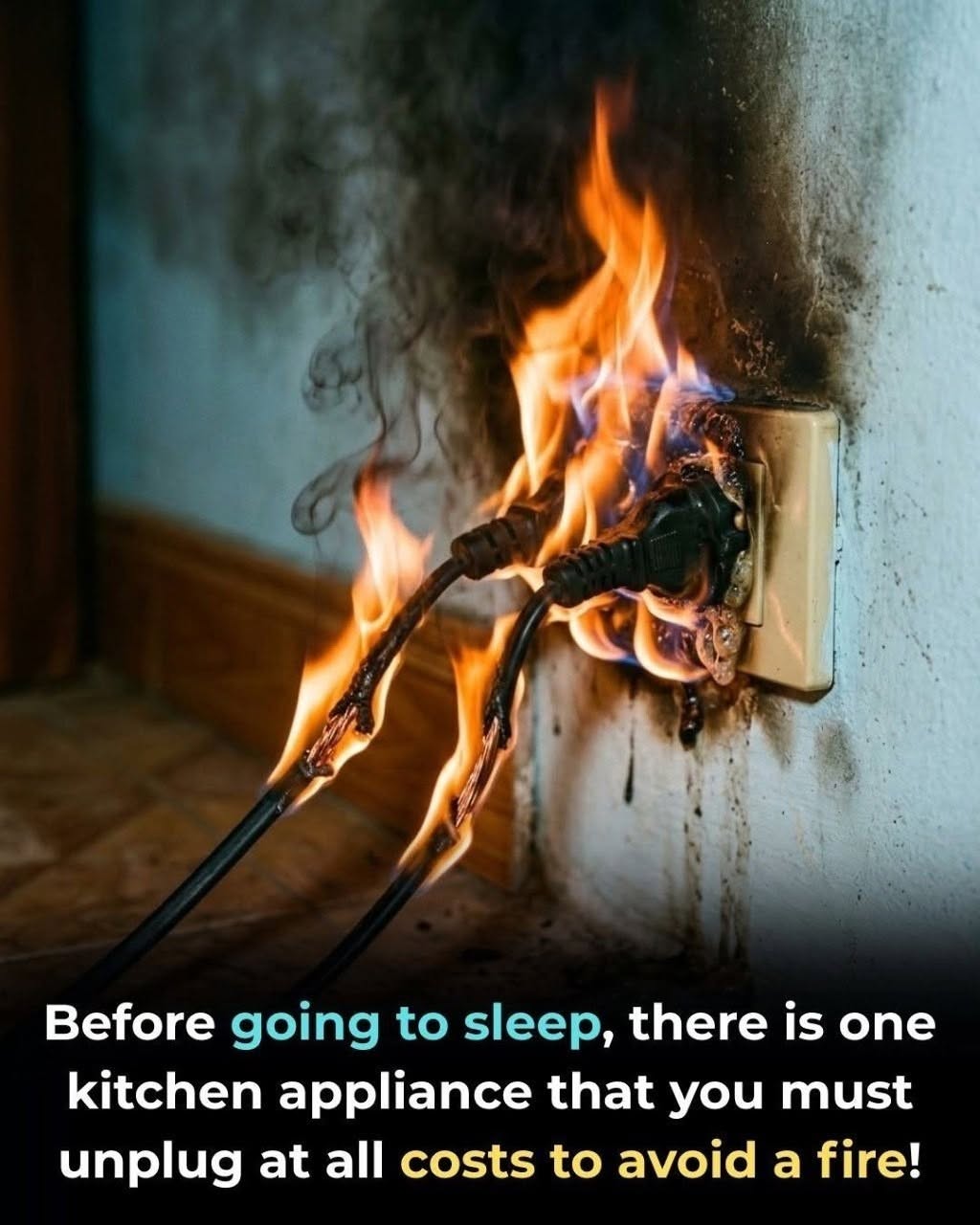
Many people switch off household appliances after using them and assume that means they are no longer consuming electricity. But some devices can continue drawing a small amount of power while plugged in, while appliances that produce heat can present an additional safety concern.
You don’t need to unplug every appliance in your home. However, making a habit of disconnecting certain devices after use can help reduce unnecessary energy consumption and lower avoidable electrical risks.
Here are five appliances worth paying particular attention to.
1. Toasters
Toasters are designed to produce intense heat in a short amount of time. Although modern models include safety features, they don’t need to remain connected to the outlet once breakfast is finished.
Crumbs can also accumulate inside a toaster over time. Keeping the appliance unplugged when it isn’t being used is a simple precaution, particularly if the toaster is located close to curtains, paper products, or other combustible materials.
After using it, allow the toaster to cool as appropriate, clean it according to the manufacturer’s instructions, and unplug it.
2. Coffee Makers
Coffee makers are another appliance that can be easy to forget.
Traditional coffee makers often use a heating plate to keep brewed coffee warm. If the machine remains switched on for hours, that heating element may continue operating.
Some newer coffee makers have automatic shutoff functions, but you shouldn’t assume every model does. Check the instructions for your particular appliance.
If you’ve finished making coffee for the day, switching the machine off and unplugging it is a simple habit.
3. Hair Straighteners and Curling Irons
Hair styling tools deserve special attention because they can reach extremely high temperatures.
A straightener or curling iron that is accidentally left on can come into contact with towels, clothing, bedding, paper, or other materials. That can create a serious fire hazard.
Even if your device has an automatic shutoff function, it’s better not to rely on it as your only safety measure.
When finished, switch the appliance off, unplug it, and place it somewhere safe while it cools.
4. Portable Electric Heaters
Portable heaters can consume considerable electricity because they use electrical energy to produce heat. They can also become extremely hot during operation.
Never leave a portable heater running unattended unless the manufacturer’s instructions specifically allow the intended use. Keep it well away from curtains, furniture, bedding, clothing, and anything else that could catch fire.
When you no longer need the heater, turn it off and unplug it when safe and appropriate.
If the cord, plug, or heater shows signs of damage, stop using it until it has been properly inspected or replaced.
5. Electric Grills, Sandwich Makers and Waffle Makers
Small countertop cooking appliances often contain heating elements and are easy to forget after a meal.
Electric grills, sandwich makers, waffle makers, and similar devices should be switched off after cooking and unplugged according to the manufacturer’s instructions.
Instead of leaving these appliances connected all day, make unplugging them part of your kitchen cleanup routine.
What About Phone Chargers?
Phone chargers are frequently included on lists of appliances that should always be unplugged. The reality is more nuanced.
A charger can consume a small amount of electricity when it remains plugged in without charging a device, although modern chargers are generally much more efficient than older designs.
The more important concern is the condition and quality of the charger.
Don’t continue using a charger that is cracked, damaged, overheating, smells burnt, or has exposed wires. Replace damaged chargers with appropriate, reputable replacements.
You Don’t Need to Unplug Everything
While unplugging certain appliances makes sense, there’s no need to disconnect every device in your home every time you leave a room.
Some appliances and electronics are designed to remain connected continuously.
Refrigerators and freezers, for example, need continuous electricity to maintain their temperature. Internet equipment, security systems, and certain medical devices may also need to remain powered.
Before unplugging an appliance regularly, check its manufacturer’s instructions and consider whether it actually needs continuous power.
What Is Standby Power?
Many electronics consume small amounts of electricity even when they appear to be turned off. This is commonly referred to as standby power.
Televisions, game consoles, audio equipment, printers, computers, and other electronics may continue using some electricity while waiting for a remote signal, scheduled function, network connection, or other feature.
The amount consumed by an individual device can be small, but many devices operating in standby at the same time can add up.
One convenient solution is to use a properly rated power strip for compatible electronics. You can then switch off several devices at once when they’re not needed.
However, high-power appliances such as space heaters should not be connected to a power strip unless the manufacturer and electrical safety guidance specifically permit it.
Focus on Heat-Producing Appliances
A useful rule is to pay particular attention to appliances that produce significant heat.
Toasters, hair straighteners, curling irons, heaters, and countertop cooking appliances can become very hot during operation.
Turning them off and disconnecting them after use reduces the chance of accidentally leaving a heating appliance operating for hours.
A Simple Routine Can Make a Difference
Before leaving the house or going to bed, take a few seconds to check the appliances you’ve recently used.
Look around the kitchen for the toaster, coffee maker, sandwich maker, or electric grill. Check the bathroom for hair styling tools. If you’ve used a portable heater, make sure it has been properly switched off.
This doesn’t need to become a complicated process.
The goal is simply to develop a habit of checking appliances that don’t need to remain powered.
Can Unplugging Save You Money?
It can, but the amount depends on the appliance.
Unplugging a device that uses very little standby electricity is unlikely to produce a dramatic reduction in your electricity bill. Bigger savings generally come from reducing the amount of time high-energy appliances actually operate.
For example, turning off a heater when you no longer need it can matter much more than worrying about a small electronic device that consumes a tiny amount of standby power.
Therefore, think of unplugging as a combination of energy awareness and household safety, rather than a guaranteed way to dramatically lower your bill.
Final Thoughts
You don’t need to walk around your house unplugging everything.
Instead, focus on appliances that produce substantial heat, are easy to forget, or don’t need to remain connected when you’re finished using them.
Toasters, coffee makers, hair straighteners, portable heaters, and countertop cooking appliances are good examples.
A few seconds of attention after using these devices can become an easy everyday habit that helps you avoid unnecessary energy use and reduce preventable household hazards.
Unplug the appliances that don’t need to stay on—and make safety part of your everyday routine.