
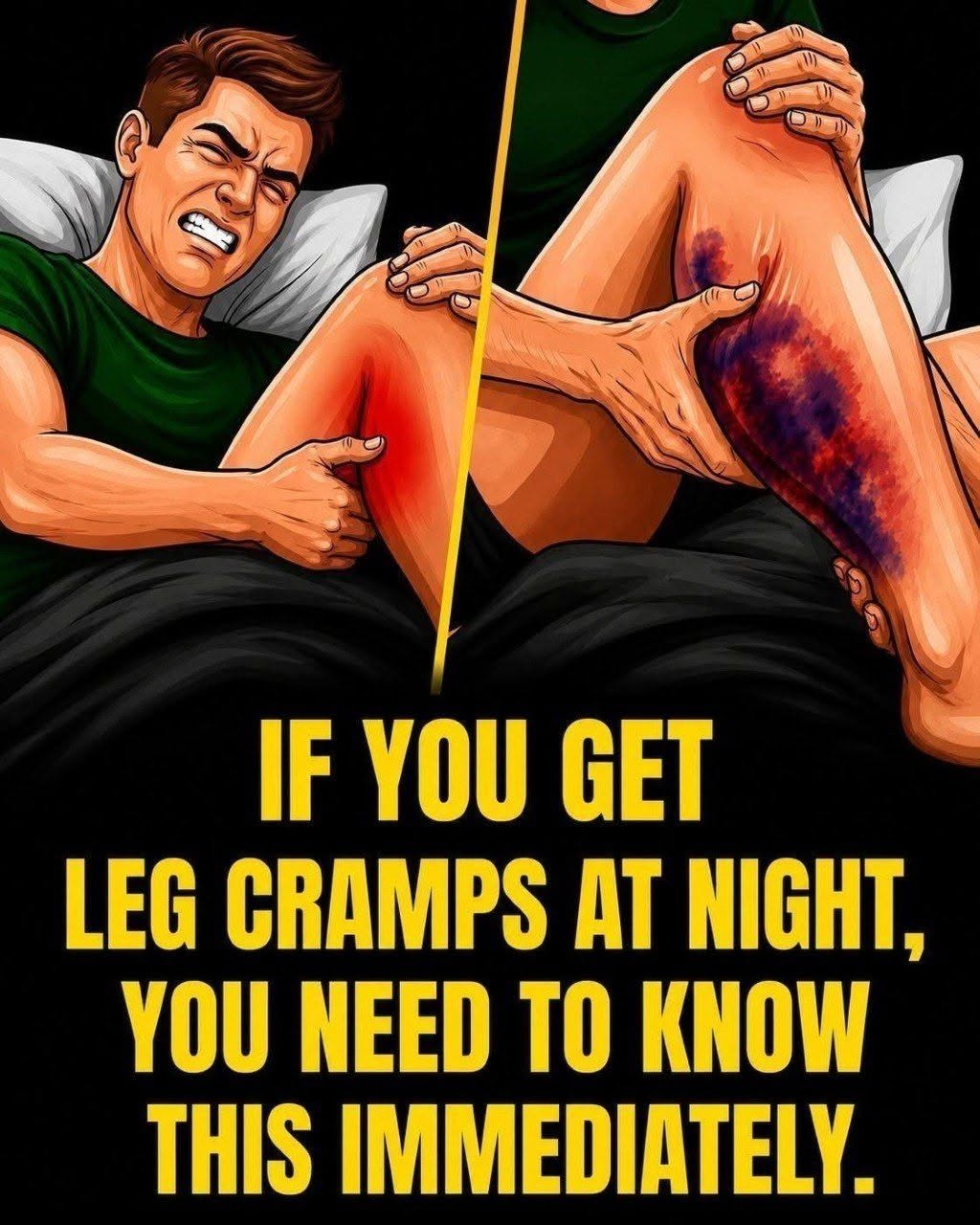
Waking up suddenly with a painful cramp in your calf or foot can be frightening. The muscle may feel as if it has locked into a hard knot, and the pain can be intense enough to interrupt your sleep.
The good news is that most nighttime leg cramps are temporary and harmless. However, frequent or severe cramps can sometimes be related to medications, dehydration, nerve problems, circulation issues, or other medical conditions.
Here’s what you should know—and what you can do when a cramp strikes.
What Is a Nighttime Leg Cramp?
A nighttime leg cramp, also called a nocturnal leg cramp, is a sudden, involuntary tightening of a muscle, most commonly in the calf.
The muscle can contract strongly for several seconds or minutes before gradually relaxing. Afterward, the area may remain sore or tender for hours.
They most often affect:
- Calf muscles
- Feet
- Thighs
- Occasionally the hamstrings
Night cramps become more common with age, although they can occur at any age.
What to Do Immediately When a Cramp Starts
When a cramp wakes you up, don’t panic. Try to gently lengthen the affected muscle.
If your calf is cramping
Sit up and straighten your leg.
Then gently pull the toes and foot toward your face while keeping the knee as straight as comfortably possible.
You can also stand up carefully and put weight on the affected leg while gently stretching the calf.
Massage the muscle
Gently massage the cramped area with your hands. Slow pressure can help the muscle relax.
Avoid aggressively forcing or pounding the muscle, especially while it is tightly contracted.
Use warmth
A warm shower, bath, heating pad, or warm towel may help relax the muscle.
If the area remains sore afterward, some people find cold useful for temporary discomfort.
Why Do Leg Cramps Happen at Night?
Sometimes there is no single identifiable cause.
Nighttime cramps can be associated with factors such as:
- Muscle fatigue or overuse
- Prolonged sitting or standing
- Certain sleeping positions
- Increasing age
- Pregnancy
- Dehydration
- Some medications
- Certain nerve or circulation disorders
It’s also important not to assume that every leg cramp is simply caused by a lack of potassium or magnesium.
Electrolyte abnormalities can contribute to muscle problems in some circumstances, but taking supplements isn’t automatically the answer.
Could Dehydration Be Responsible?
Possibly.
If you haven’t been drinking enough fluids—particularly after heavy exercise, sweating, vomiting, or diarrhea—your body can become dehydrated.
Instead of waiting until nighttime, try to maintain adequate fluid intake throughout the day.
However, drinking excessive amounts of water isn’t necessary and can itself cause problems in extreme circumstances.
What About Potassium and Magnesium?
You may have seen advice online claiming that nighttime cramps mean you need more magnesium, potassium, or calcium.
The reality is more complicated.
Deficiencies in certain electrolytes can cause muscle symptoms, but routine supplementation doesn’t necessarily stop ordinary nighttime leg cramps.
If you suspect a nutritional deficiency, medications or a medical condition may be contributing, or you experience frequent cramps, it’s better to discuss it with a healthcare professional rather than taking high-dose supplements on your own.
Medicines Can Sometimes Play a Role
Some medications have been associated with muscle cramps.
Examples can include certain medicines used for blood pressure, cholesterol, or fluid retention.
That doesn’t mean you should stop a prescribed medication if cramps begin.
Instead, tell your doctor or pharmacist about the symptom. They can determine whether your medication could be contributing and whether anything should be changed.
How to Reduce Nighttime Leg Cramps
If cramps happen regularly, a few simple habits may help.
1. Stretch before bed
Gentle calf and hamstring stretching before going to sleep may help some people reduce nighttime symptoms.
Don’t bounce during the stretch. Hold it gently and comfortably.
2. Stay active during the day
Regular movement can help maintain muscle flexibility and strength.
If you spend many hours sitting, get up periodically and walk around.
3. Stay hydrated
Drink fluids regularly throughout the day, particularly when you’re exercising or sweating heavily.
4. Pay attention to your sleeping position
Keeping your toes pointed downward for long periods may place the calf in a shortened position.
Experiment with a comfortable sleeping position that doesn’t keep the ankle pointed downward.
5. Warm up before intense exercise
Suddenly demanding a lot from muscles that aren’t prepared can contribute to muscle fatigue.
A gradual warm-up and appropriate stretching can be useful before physical activity.
When Should You Be Concerned?
An occasional nighttime cramp is usually not an emergency.
But frequent, severe, or unexplained cramps deserve medical attention, particularly if they are affecting your sleep or daily life.
Contact a healthcare professional if:
- Cramps happen frequently
- They are becoming increasingly painful
- They last a long time or don’t improve with stretching
- You also experience muscle weakness
- You have numbness or tingling
- Your legs are swollen
- You have persistent leg pain between cramps
- The cramps began after starting a new medication
🚨 When Leg Pain May Be Something More Serious
A cramp isn’t always just a cramp.
Seek urgent medical attention if you develop sudden swelling, warmth, redness or significant pain in one leg, particularly if the symptoms are new and unexplained.
And if leg symptoms occur together with chest pain, sudden shortness of breath, coughing up blood, fainting, or severe difficulty breathing, seek emergency medical care immediately.
These symptoms can occur with a blood clot that has traveled to the lungs and should not be treated as an ordinary muscle cramp.
The Bottom Line
Nighttime leg cramps can be incredibly painful, but most episodes are temporary.
When one strikes, gently stretch the affected muscle, massage it, and give it time to relax. Regular hydration, appropriate activity, and gentle stretching before bed may also help reduce episodes.
But don’t automatically assume that every cramp means you need magnesium, potassium, or another supplement. If cramps are frequent, severe, persistent, or accompanied by swelling, weakness, numbness, or other unusual symptoms, it’s worth getting evaluated.
A nighttime leg cramp may be nothing serious—but recurring or unusual symptoms shouldn’t simply be ignored.