
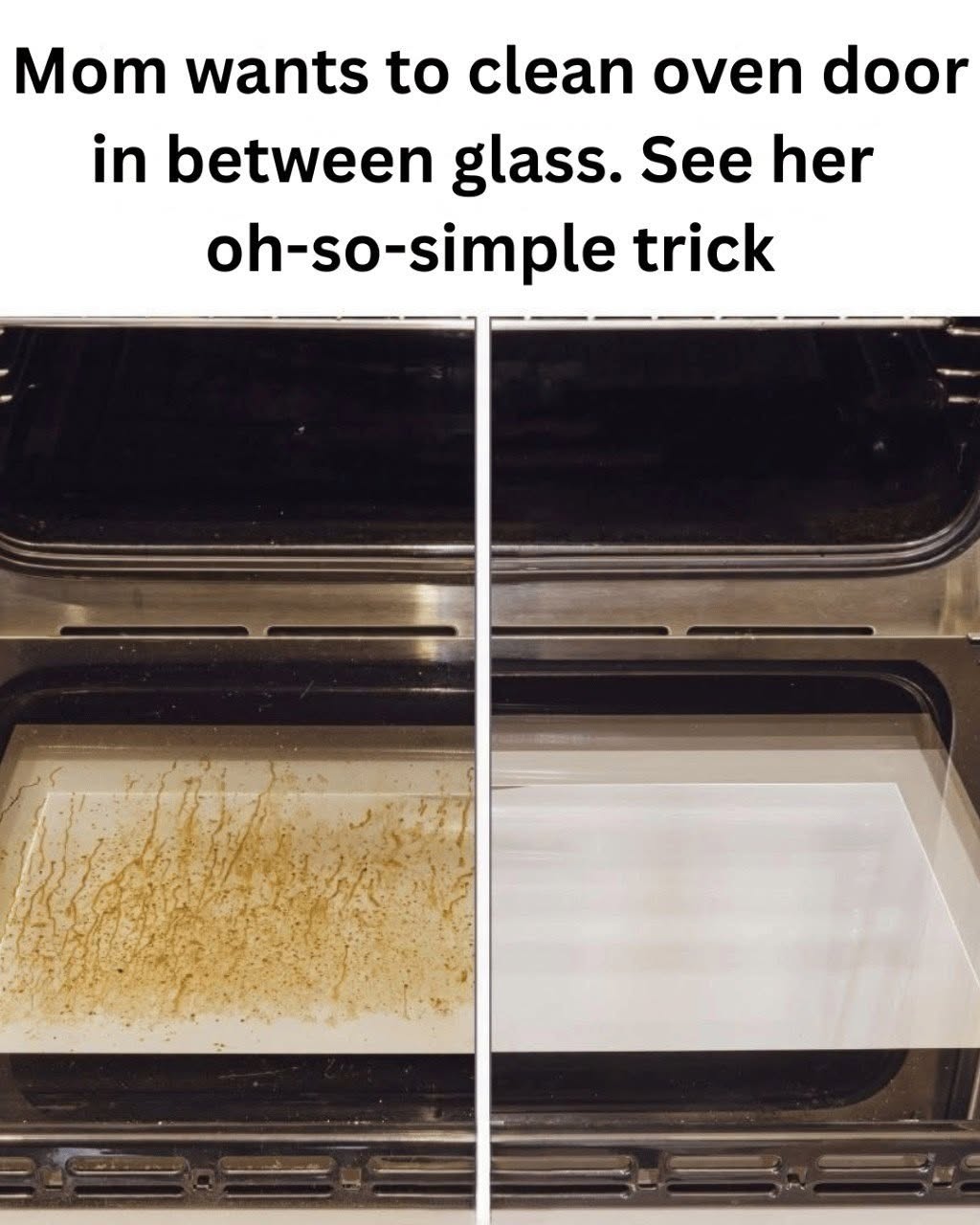
A dirty oven door can make an otherwise clean kitchen look untidy. Grease splashes, baked-on food, and cloudy residue can build up on the glass over time, making it difficult to see through the door while cooking.
The good news is that you don’t always need expensive cleaners or harsh chemicals to get your oven door glass looking clear and shiny. A simple combination of baking soda, warm water, and a little dish soap can help loosen stubborn grime and make cleaning much easier.
Why Does Oven Glass Get So Dirty?
Every time you cook, tiny amounts of grease, oil, steam, and food particles can settle on the oven door. High temperatures can bake these residues onto the glass, creating a stubborn layer that becomes harder to remove the longer it remains.
Over time, you may notice:
- Brown or black grease spots
- A cloudy appearance
- Dried food splatters
- Sticky residue around the edges
- Smoke marks or baked-on stains
Regular cleaning can prevent this buildup from becoming difficult to remove.
The Simple Baking Soda Trick
For everyday grease and baked-on residue, try making a gentle cleaning paste.
What You’ll Need
- ½ cup baking soda
- A few tablespoons of warm water
- 1 teaspoon of mild dish soap
- A soft sponge or microfiber cloth
- A small bowl
- Clean water for rinsing
Step 1: Make Sure the Oven Is Completely Cool
Before cleaning, turn the oven off and allow it to cool completely. Never apply cleaning solutions to extremely hot glass.
If your oven has recently been used, give it plenty of time to cool down.
Step 2: Prepare the Cleaning Paste
Add the baking soda to a small bowl. Slowly mix in warm water until you have a thick paste.
Add a small amount of mild dish soap and mix gently.
The mixture should be thick enough to spread over the glass without immediately running down the door.
Step 3: Apply It to the Glass
Spread the paste over the dirty areas of the oven door using a soft sponge or cloth.
Pay particular attention to areas with visible grease and baked-on food.
Avoid aggressively scrubbing the glass. The goal is to allow the paste to loosen the residue rather than trying to remove everything through force.
Step 4: Let It Sit
Leave the mixture on the glass for approximately 15–20 minutes.
For heavier buildup, you can allow it to sit a little longer, provided your oven manufacturer’s instructions don’t prohibit the cleaning method.
This waiting period gives the baking soda and dish soap time to soften greasy residue.
Step 5: Wipe Away the Grime
Using a damp microfiber cloth or soft sponge, gently wipe the glass.
You may need to make several passes over stubborn areas.
For particularly difficult spots, repeat the process rather than using excessive pressure.
Step 6: Rinse Thoroughly
Once the grime has been removed, wipe the glass several times with a clean, damp cloth to remove any remaining baking soda or soap.
Finally, dry the glass with a clean microfiber towel.
The result should be a noticeably cleaner and clearer oven door.
What About Stubborn Baked-On Grease?
If ordinary wiping doesn’t remove everything, don’t immediately reach for an abrasive pad.
Instead, repeat the baking soda treatment and allow it more time to loosen the residue.
A plastic scraper designed for delicate surfaces can sometimes help with stubborn buildup, but use it gently and only if the manufacturer permits it. Avoid metal blades or anything that could scratch the glass.
Don’t Forget the Edges
The edges of the oven door can collect grease and crumbs that aren’t immediately noticeable.
After cleaning the main glass surface, use a damp cloth to wipe around the edges and handle.
If your oven has removable door components or a glass panel that can be accessed for cleaning, check the manufacturer’s instructions before taking anything apart. Oven-door designs vary, and some doors should not be disassembled by the user.
A Few Things to Avoid
When cleaning oven glass, more aggressive doesn’t necessarily mean better.
Avoid:
- Steel wool or abrasive scouring pads
- Metal scrapers that can scratch the glass
- Pouring large amounts of liquid directly onto the door
- Cleaning while the glass is extremely hot
- Mixing different household cleaning chemicals
- Using products that aren’t recommended for your particular oven
In particular, never mix bleach with ammonia or other household cleaners, as dangerous fumes can result.
How Often Should You Clean Oven Door Glass?
There’s no single schedule that works for every kitchen. If you frequently roast foods, cook greasy dishes, or use the oven several times a week, the glass may need more frequent attention.
A quick wipe after the oven has cooled can prevent grease from becoming heavily baked onto the surface.
For many households, a deeper cleaning every few weeks or whenever visible buildup appears is enough.
A Simple Habit That Makes Cleaning Easier
One of the easiest ways to keep oven glass cleaner is to deal with spills before they become heavily baked on.
Once the oven is completely cool, wipe away fresh splashes with a damp cloth. This takes only a minute but can save much more effort later.
You can also place suitable baking dishes on a tray when cooking foods that are likely to bubble or splatter.
Final Thoughts
You don’t necessarily need harsh chemicals to tackle a greasy oven door. A simple paste made with baking soda, warm water, and a little dish soap can help loosen everyday grease and baked-on residue.
The key is patience: let the cleaning mixture work, use gentle tools, and rinse the glass thoroughly afterward.
Always check your oven’s care instructions before trying any cleaning method, especially if the door has a special coating or removable glass panels.
With a few simple supplies and a little regular maintenance, your oven door can stay cleaner, clearer, and easier to maintain.