
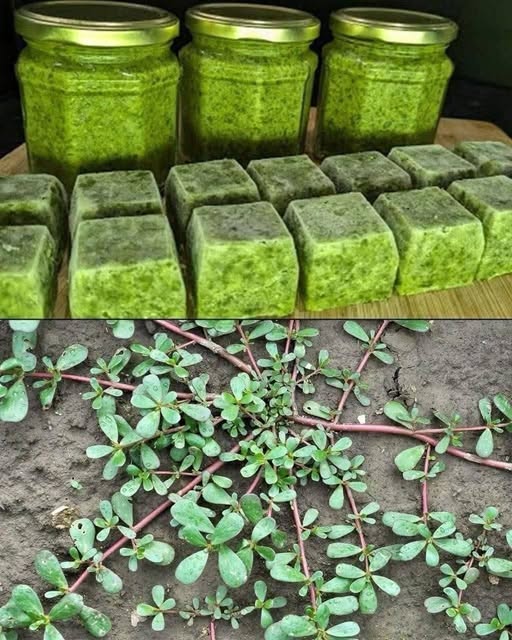
Not every weed that appears in your garden is an enemy.
Some plants that are commonly pulled out, mowed down, or stepped on can actually provide benefits for soil, pollinators, wildlife, and even other plants. One of the most commonly discussed examples is white clover, a low-growing plant that can quickly spread across lawns and garden beds.
Sometimes called a “gold mine” by gardeners, clover can be much more useful than its simple appearance suggests.
Why Clover Gets So Much Attention
White clover may look like an ordinary lawn weed, but it belongs to the legume family.
Like other legumes, clover has a special relationship with certain soil bacteria that allows it to help capture atmospheric nitrogen and convert it into forms that plants can use.
This process is called nitrogen fixation.
As clover grows and eventually decomposes, some of that nitrogen can become available to the surrounding soil.
That doesn’t mean clover automatically fertilizes every nearby plant or eliminates the need for fertilizer, but it can play a useful role in a healthy garden ecosystem.
A Favorite Plant of Pollinators
One of the most valuable characteristics of clover is its flowers.
White clover produces small, rounded clusters of flowers that can provide nectar for bees and other pollinating insects.
In gardens where supporting pollinators is a priority, allowing some flowering clover to remain can provide an additional food source.
This is particularly useful when other flowering plants aren’t producing many blooms.
Clover Can Help Protect the Soil
Low-growing plants such as clover can cover bare ground.
Ground cover can help reduce soil erosion caused by wind and rain while also protecting the soil surface from drying out as quickly.
Clover’s dense growth can also reduce the amount of open space available for some other weeds.
Instead of viewing every volunteer plant as something that must immediately be removed, gardeners can consider whether it is serving a useful ecological function.
It Can Stay Green When Grass Struggles
Clover is often able to remain green under conditions in which some traditional lawn grasses struggle.
It can tolerate moderate foot traffic and, once established, may require less attention than a perfectly uniform lawn.
For this reason, some homeowners intentionally include clover in lawn mixtures rather than trying to eliminate it completely.
Why You Shouldn’t Automatically Pull It Out
A common gardening mistake is assuming that every plant growing where it wasn’t intentionally planted is harmful.
Before removing a weed, consider:
- What species is it?
- Does it provide food for pollinators?
- Does it protect bare soil?
- Does it compete strongly with your crops?
- Is it invasive in your region?
- Could it actually be useful as ground cover?
This simple habit can help you make better decisions about what belongs in your garden.
But Not Every “Weed” Is Beneficial
It’s important not to take the phrase “never remove this weed” literally.
Some weeds can compete aggressively with vegetables, flowers, and young plants for water, nutrients, sunlight, and space.
Others can spread rapidly or become invasive.
The value of a particular plant depends heavily on the species, location, and purpose of your garden.
If you don’t recognize a plant, identify it before deciding whether to keep or remove it.
Other Benefits of Leaving Some Weeds
Clover isn’t the only volunteer plant that can have ecological value.
Depending on where you live, plants such as dandelions, plantain, chickweed, and certain native wildflowers can provide resources for insects and wildlife.
Some can also contribute organic matter to the soil when they die and decompose.
However, their usefulness varies by species and local conditions, so identification matters.
A Better Approach to Garden Weeds
Instead of trying to maintain a garden completely free of every wild plant, consider using a more selective approach.
Keep beneficial plants where they aren’t interfering with your crops.
Remove weeds that compete aggressively with vegetables or ornamental plants.
Avoid allowing unknown invasive species to spread.
And whenever possible, choose gardening methods that protect soil health and beneficial insects.
Final Thoughts
The next time you see a small patch of clover growing in your garden, you may want to pause before