
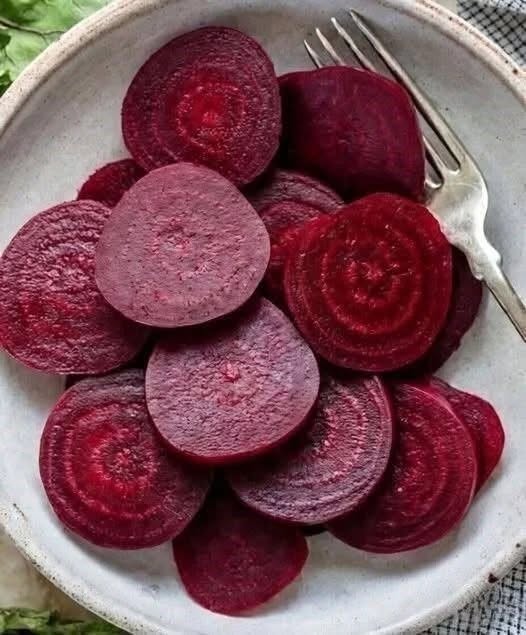
Beets are often overlooked, but this colorful root vegetable contains several nutrients and natural compounds that may benefit the body. From supporting healthy blood pressure to providing antioxidants and dietary fiber, beets can be a nutritious addition to a balanced diet.
But what actually happens when you eat them regularly?
Beets May Support Healthy Blood Pressure
One of the most studied compounds in beets is dietary nitrate.
The body can convert nitrate into nitric oxide, a molecule involved in blood-vessel relaxation and blood flow. Research has found that consuming nitrate-rich beetroot can modestly reduce blood pressure in some people, although the effect varies between individuals.
This doesn’t mean beets are a replacement for prescribed blood-pressure medication, but they can be part of a heart-healthy eating pattern.
They Contain Antioxidant Compounds
Beets are particularly rich in pigments called betalains, which give them their distinctive red or purple color.
These compounds have antioxidant properties and are being studied for their potential role in protecting cells from oxidative stress.
Eating a variety of colorful vegetables is generally a good way to obtain a broad range of plant compounds.
Beets Provide Useful Fiber
Beets contain dietary fiber, which supports normal digestive function.
Fiber can help promote regular bowel movements and contributes to a healthy diet. Increasing fiber gradually while drinking enough fluids can help the digestive system adapt.
They Provide Important Nutrients
Beets contain several vitamins and minerals, including:
- Folate
- Potassium
- Manganese
- Vitamin C
- Small amounts of other vitamins and minerals
The nutritional value of beets makes them a useful addition to meals alongside other vegetables, fruits, whole grains, legumes, and protein sources.
Beets May Be Helpful for Exercise
Beetroot has received considerable attention in sports nutrition because dietary nitrate may improve the efficiency of oxygen use during certain types of exercise.
Some studies have found improvements in exercise performance or endurance after consuming nitrate-rich beetroot products.
However, results aren’t identical for everyone, and the effects depend on factors such as the type and amount consumed and the individual’s fitness level.
Don’t Be Alarmed by Red Urine
One surprising effect of eating beets is that urine can sometimes turn pink or reddish.
This harmless phenomenon is called beeturia.
Beets can also temporarily change the color of bowel movements.
These changes can look alarming, but they can simply be caused by the natural pigments in beets.
If you see blood in your urine or stool and you haven’t recently eaten beets—or if the discoloration persists—you should seek medical advice rather than assuming it is beet-related.
Can Everyone Eat Beets?
For most people, beets can be safely included in a balanced diet.
However, beets contain oxalates, substances that can contribute to kidney stone formati